Tick species, tick-borne disease spreading across Illinois
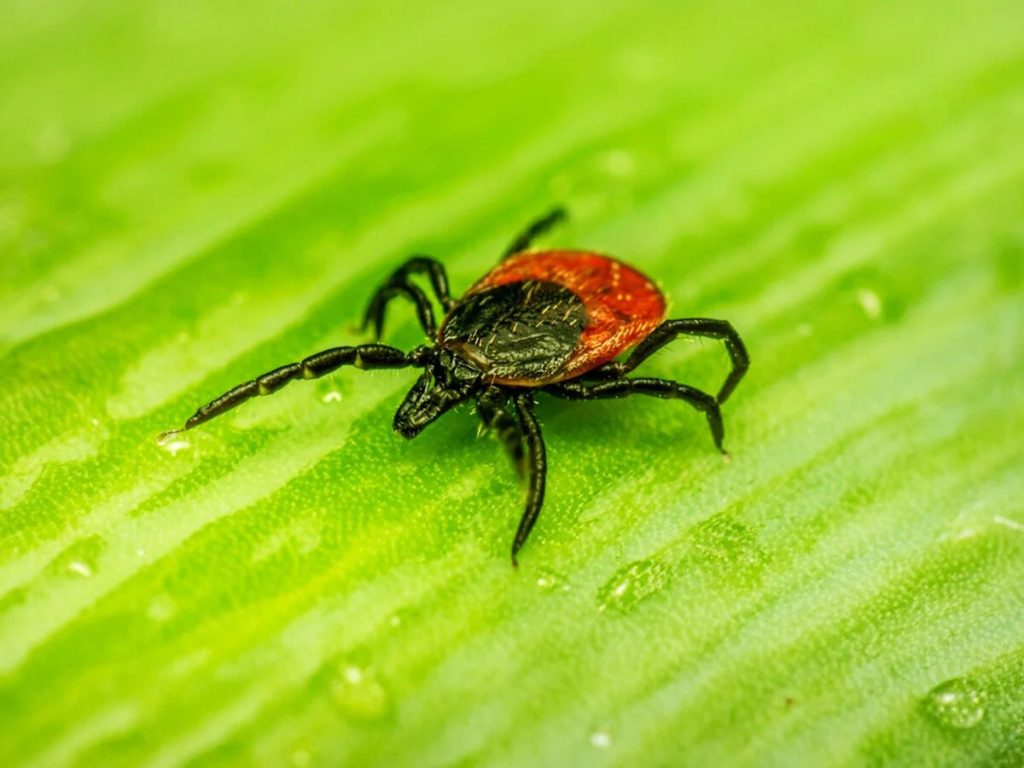
Several species of ticks capable of spreading tick-borne diseases are spreading across Illinois. (Photo courtesy of Binghamton University)
By PHYLLIS COULTER
FarmWeek
Social media is abuzz with news about ticks and tick-borne diseases actively spreading across Illinois, with many counties confirming several species.
Some of the increased talk comes from more awareness of ticks and their dangers, Jenny Buttaccio, Illinois Lyme Association (ILA) communications director, told FarmWeek.
However, Illinois has ticks converging from the north and south. Different tick species at different life stages are peaking at different times. “So, it is very alarming,” said Samantha Kerr, the Illinois Department of Public Health (IDPH)’s vector surveillance and control program manager.
Many Illinois counties have lone star ticks, blacklegged ticks and dog ticks. Several counties have all three, according to the IDPH tick surveillance maps.
“The geographic range of different species is expanding,” said Chris Stone, University of Illinois medical entomologist, who noted the Gulf Coast tick is also present in southern and parts of central Illinois.
The blacklegged tick, associated with Lyme disease, was more concentrated in northern Illinois, but is trickling south to central Illinois. At the same time, the lone star tick that can cause Alpha-gal syndrome, an allergic reaction to red meat, is moving from the south toward central Illinois. Illinois is already in the top 13 states of Alpha-gal cases in the nation, Buttaccio said.
“You can no longer expect blacklegged ticks only in a certain part of Illinois.
“The increased likelihood of contracting a tick and the diversity of diseases they spread is what you need to be concerned about,” Stone said.
“All ticks are capable of carrying disease,” said Buttaccio, adding that not all do. While it varies by county, about 40% of blacklegged ticks carry Lyme disease in Illinois.
Part of the uptick of ticks in Illinois is due to warmer winters and longer, warmer seasons.
“This means ticks are active earlier in the spring and later into the fall. It leads to more opportunities for humans and ticks to interact,” Kerr told FarmWeek of the season that lasts from mushroom hunting season in March to deer hunting season in November.
The invasive Asian longhorned tick, which attacks large livestock rather than people, is also a threat in Illinois.
“One animal can host hundreds or thousands of ticks at a time. It can cause great stress, reduce milk production and can kill the animals due to blood loss,” Kerr said.
Information about ticks and their diseases in Illinois is available on the Illinois Tickborne Disease Dashboard website, experience.arcgis.com
Need to improve diagnoses
Symptoms of Lyme disease include a bullseye rash, fever, headache and fatigue. However, the bullseye isn’t always present, and other symptoms are also common to colds and flu, making it difficult to diagnose.
“Awareness helps put it (Lyme disease) closer to the forefront of healthcare providers’ minds. Still, the main tests used are only relatively accurate in a small window of time,” said Buttaccio, who has dealt with Lyme disease personally for more than 20 years. It took up a large chunk of her life. “We want to change that for people,” she said.
 “If we can get better tools in front of healthcare providers, what to look for and how to test and treat, we can really make huge leaps and bounds,” she said, adding she welcomes new national attention.
Last month, U.S. Health and Human Services Secretary Robert F. Kennedy Jr. announced major initiatives to strengthen the nation’s response to Lyme disease and other tick-borne illnesses, including a multi-million-dollar pilot program focused on tick control and funding for researchers to combat Alpha-gal syndrome.
Kerr said the general advice of avoiding tick habitats is harder for farmers to follow when they are mowing grass, repairing fences and doing other outdoor work. She recommends the use of Environmental Protection Agency-registered insect repellents, wearing permethrin-treated clothing, using a lint roller to remove possible ticks, doing a thorough tick check and showering within a couple of hours of potential exposure.
You can have a big impact on protecting yourself by doing small things, Stone said. Wear long pants and clothing treated with permethrin, “It’s cheap and easy to do.”
This story was distributed through a cooperative project between Illinois Farm Bureau and the Illinois Press Association. For more food and farming news, visit FarmWeekNow.com.