BUILD IT: Why copper line sunset is southwestern Illinois business risk
By JIM GUSTKE
For decades, Plain Old Telephone Service – better known as POTS lines – quietly powered critical communications inside commercial buildings, campuses, plants, and facilities. They connected fire alarms, elevator phones, security panels, and emergency call systems. They were stable, inexpensive, and easy to forget about.

Fire alarm and emergency systems are among the many critical building technologies that still depend on legacy copper POTS connectivity.
That’s exactly the problem now.
Across the country, telecom carriers are actively retiring copper networks. Repair support is thinning out. Monthly line costs are climbing fast. And when outages happen, fixes often take far longer than they used to.
Across the St. Louis Metro East and southwestern Illinois region, many organizations are only discovering their exposure after a bill spike or a failed inspection.
This isn’t just a telecom modernization story anymore. For many sectors, it’s rapidly becoming an operational and compliance issue.
Why copper service is disappearing
Copper networks were built for voice communication in a very different era. Today, most business communications run over IP and wireless networks. Maintaining aging copper infrastructure has become expensive and inefficient for carriers, as demand continues to drop.
At the same time, regulatory changes have reduced requirements for carriers to maintain legacy service. Major providers have publicly stated they are moving toward full copper retirement over the next several years. The practical impact is already visible: fewer technicians, slower repairs, and sharply higher line charges.
In other words, even before the inevitable shutdown, service quality is degrading.
Where Illinois organizations are most exposed
Many leaders are surprised when they see how many essential systems still rely on copper lines – especially across distributed or older facilities.
Commercial property owners often find POTS lines tied to fire panels and elevator phones. Manufacturers uncover legacy alarm connections on plant floors, while banks may still rely on copper-backed security or vault monitoring lines.
Hospitals, clinics, and college campuses frequently depend on these lines for alarm and emergency communications, and logistics operators, warehouses, and agricultural sites often run always-on safety systems over aging copper infrastructure – typically with the longest repair times when failures occur.
For many organizations in southwestern Illinois, these dependencies have remained largely invisible until reliability or cost problems surface. In many cases, no one has looked closely at these connections in years.
The risk of waiting too long
The biggest misconception is that copper retirement is a future problem. For many organizations, it’s already showing up in three ways.
First, reliability is slipping. Outages are more common, and restoration times are longer. Unlike modern systems, most legacy lines don’t provide status monitoring, so failures may go unnoticed until a test or emergency reveals them.
Second, costs are becoming unpredictable. It’s not unusual now to see line charges multiply year over year. When companies finally audit their bills, they often find unused or abandoned lines that they are still paying for.
Third, there is compliance exposure. Fire alarms, elevator phones, and emergency call systems must remain operational. When a copper line fails, inspections can fail with it. That creates liability no organization wants to explain after the fact.
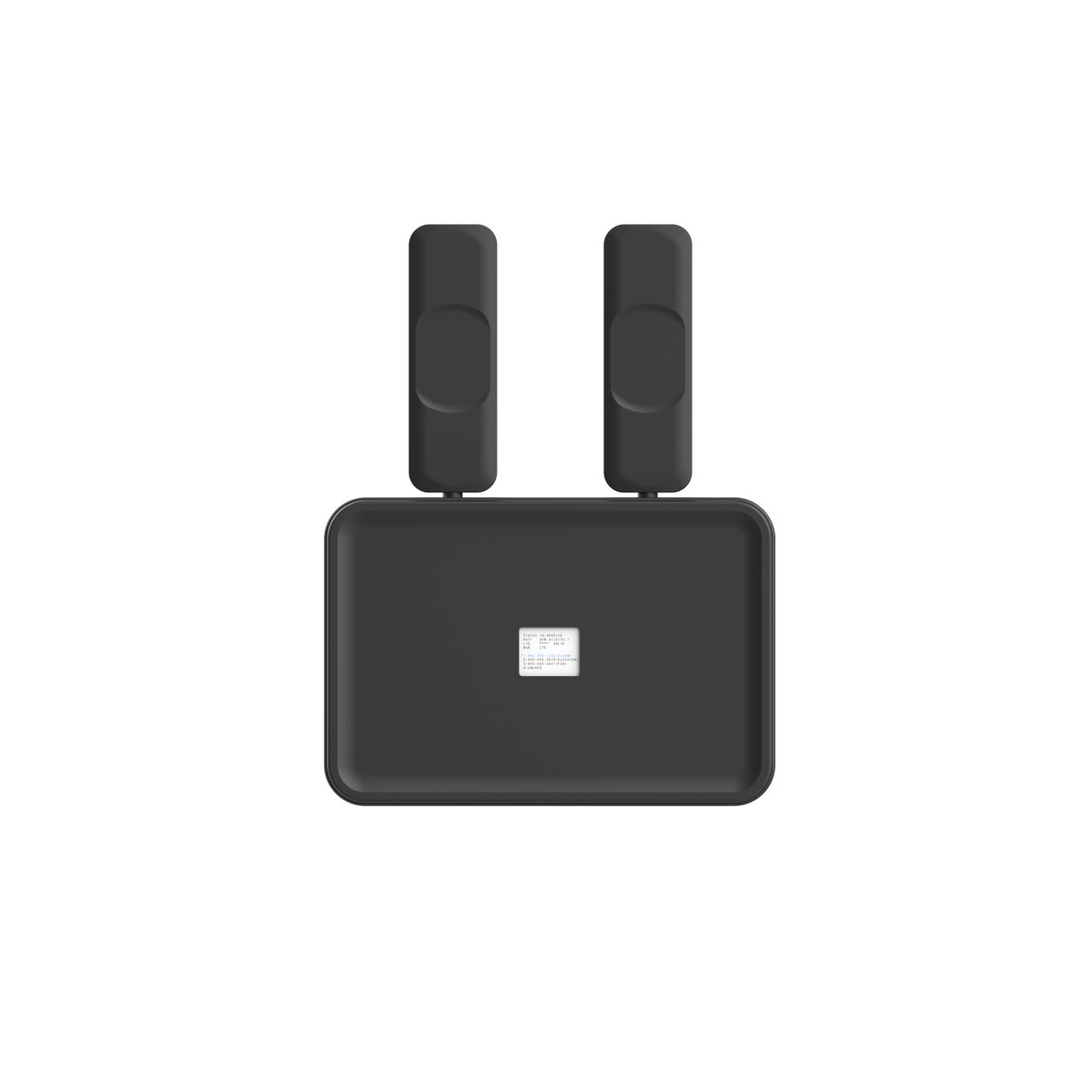
Modern POTS replacement solutions help organizations transition legacy safety and communications systems to more resilient IP and wireless networks. Shown here is Ooma’s AirDial.
Modern replacement doesn’t mean ripping everything out
One reason some organizations delay action is the assumption that replacement requires rebuilding entire safety systems. In most cases, that isn’t true.
Modern POTS replacement solutions are designed to work with existing devices while replacing the copper connection behind them. They typically use a combination of wired IP and cellular connectivity to provide redundancy and continuous availability.
They also bring something copper never offered: visibility. IT and facilities teams can see device status across locations instead of relying on periodic manual checks.
The result is not just replacement – it’s modernization and oversight.
A practical way to approach the transition
The organizations handling this well tend to follow a straightforward process.
Start with a line audit. Match billed lines to actual devices and locations. This alone often uncovers waste and hidden dependencies.
Next, select a replacement approach that supports multiple device types and facility environments, with built-in redundancy and centralized monitoring.
Finally, plan installations methodically. Test before and after cutover. Validate that downstream systems function properly. Avoid rushed, last-minute swaps triggered by outages or inspection failures.
Handled proactively, the transition is manageable. Handled reactively, it’s disruptive.
The window for easy planning is closing
Copper retirement is moving forward whether organizations are ready or not. Support will continue to thin, costs will continue to rise, and repair timelines will continue to stretch. For businesses and institutions across the St. Louis Metro East and southwestern Illinois corridor – from commercial real estate and healthcare to manufacturing, logistics, finance, higher education, and agriculture – now is the time to understand where copper lines still sit inside critical infrastructure.
The organizations that plan early keep control of timing, cost, and compliance. The ones that wait usually inherit urgency instead.
Provided photos.
About the author:
Jim Gustke is senior vice president of marketing at Ooma, where he focuses on communications infrastructure modernization and POTS transition strategy as legacy copper networks are retired. Ooma offers solutions designed to help organizations maintain reliable connectivity as they transition away from copper-based lines. Learn more about Ooma AirDial and POTS replacement solutions at www.ooma.com/business/airdial-pots-line-replacement/.
Related Posts