Strong U.S. exports, infrastructure constraints, global shifts reshape inland freight flows
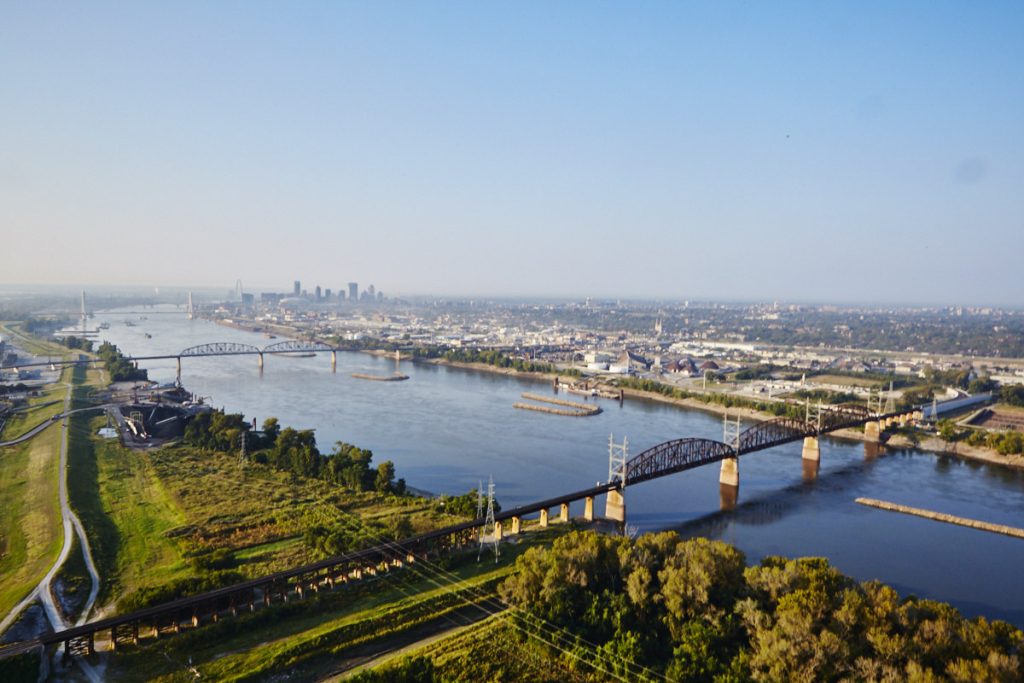
An aerial view of St. Louis’s “Ag Coast of America.”
FreightWeekSTL examines how agricultural markets, trade dynamics and river system reliability are influencing barge demand and supply chain performance and highlights the St. Louis region’s strategic advantages
Strong U.S. agricultural production and export demand, growing pressure on inland waterways infrastructure and evolving global trade dynamics are converging to reshape freight movement across the U.S. river system, reinforcing the critical role of barge transportation and the strategic importance of the St. Louis region.

Ken Eriksen
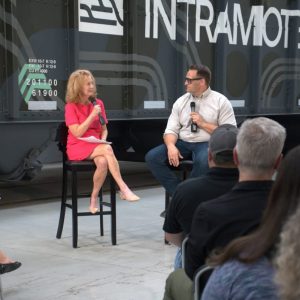
These and other key trends were the focus of the FreightWeekSTL 2026 virtual session, “Forces Shaping Today’s Ag Market and Freight Movement,” featuring Ken Eriksen, managing member and strategic advisor at Polaris Analytics and Consulting.
The session was moderated by Mary Lamie, executive vice president of Multimodal Enterprises for Bi-State Development and head of the St. Louis Regional Freightway.
Drawing on real-time market data and shipper insights, Eriksen explained that record “bin-busting” corn production and strong export volumes continue to drive demand for barge transportation. He discussed food as a matter of national security, underscoring the continued importance of U.S. farmers in supplying both domestic and global markets, even as those markets shift and geopolitical tensions influence trade flows.
Eriksen noted that while China has adjusted its purchasing behavior, other buyers, including Mexico, continue to increase imports of U.S. grain, supporting steady freight activity across multiple transportation modes. He also called attention to the opportunities related to investment in agriculture for soybean crush facilities that are producing renewable fuel along with the inevitable flow of soybean meal for export.
Emphasizing that infrastructure reliability on the inland waterways remains a defining factor in maintaining U.S. competitiveness, Eriksen further discussed how constraints in navigation can quickly affect freight rates and ripple back through the supply chain to producers.
“Reliable navigation on the Mississippi River isn’t just about freight rates and exports, it’s foundational to our nation’s future competitiveness and self‑reliance,” Eriksen noted.
Eriksen pointed to recent collaboration across industry stakeholders, including barge operators, shippers and federal agencies, as helping mitigate the impacts of low water conditions in recent years. However, he stressed the need for continued investment in both physical infrastructure and workforce development to support long-term growth.
 The session also highlighted the St. Louis region’s unique role as a multimodal hub connecting inland production with global markets. Situated at the confluence of the Mississippi, Missouri and Illinois rivers and supported by extensive rail connectivity, Eriksen said the region is positioned to expand its role in agricultural and industrial freight movement.
“St. Louis’ Ag Coast of America has a symbiotic relationship with the Mississippi River Ship Channel,” Eriksen said. “Together, they represent the largest volume and diversity of commodities moving anywhere in the United States.”
He noted that while the region benefits from extensive river and rail connectivity, including access to all six Class I railroads, there remains untapped capacity and opportunity for additional growth, particularly as demand grows for both exports and inbound commodities such as fertilizer and construction materials. Increased investment in facilities, expanded use of available infrastructure and stronger coordination across the system could unlock additional value for shippers and carriers.
The session also explored broader economic and policy trends influencing freight markets, including energy dynamics, fertilizer supply chains, a potential rail merger and the ongoing fluidity of global trade relationships. Eriksen emphasized that these forces, combined with growing domestic investment in manufacturing and infrastructure, are contributing to a resurgence for the U.S. maritime and inland waterways system.
“There’s a maritime renaissance in front of us,” Eriksen said. “The best is still ahead—but we have to make sure we’re not leaving opportunities on the table or off the river.”
Looking ahead, he encouraged industry stakeholders to closely monitor indicators such as barge fleet capacity, transportation volumes across modes and shifting consumer demand as they plan for the next 12 to 24 months. He frequently referenced America’s 250th birthday and the need to watch how initiatives related to that might highlight agriculture and infrastructure.
“The national celebration can drive momentum for investment, and that enhances river-rail connectivity,” Eriksen said. “It aggregates demand for growth projects and overall multimodal capacity and connectivity, at the end of the day positioning the St. Louis region, the Ag Coast of America and the full Mississippi River system for the next quarter millennium and for generations to come.”
Closing the session, Lamie reinforced the importance of understanding these interconnected dynamics and their impact on freight movement.
“This was a helpful exploration of some of the forces shaping U.S. ag markets and the role river conditions, infrastructure reliability and global trade pressures are playing in today’s ever-changing environment,” said Lamie. “Ken’s ability to connect real-time market data with real-world freight movement highlights significant opportunities to further leverage the St. Louis region’s exceptional river-rail connectivity.”
FreightWeekSTL 2026 continues through June 12 and offers a variety of tours, engaging panel discussions and insightful one-on-one interviews highlighting innovations, infrastructure improvements and trends impacting global freight movement and reinforcing how the St. Louis region continues to strengthen its position as a world-class logistics hub. To learn more, register for the remaining panel sessions or view today’s or any prior sessions for FreightWeekSTL 2026, visit FreightWeekSTL.com.
Images provided by St. Louis Regional Freightway.
About St. Louis Regional Freightway
Established as the St. Louis region’s authority for coordinating support for industrial businesses and the logistics infrastructure they depend on, the St. Louis Regional Freightway (the Freightway) provides site selection and business assistance to manufacturing, logistics and multimodal transportation companies and their service providers. As an enterprise of Bi-State Development, the Freightway partners with public sector and private industry businesses to advocate for infrastructure development that supports the movement of freight, leads initiatives to grow the region’s talent pool, and plays a critical role in marketing the region as a world-class manufacturing and distribution cluster within the City of St. Louis and seven adjacent counties in Missouri and Illinois. To learn more, visit TheFreightway.com.